
Can A Contractor Be Held Liable For Defective Work Years After A Project Is Finished?
Construction jobs are important investments, whether they involve constructing a new building, remodeling an existing one, or adding a large extension. Some of these defects will be immediately recognizable after the completion of the construction job, while others may take years to be realized. Water penetration, building movement, and code violations that go unnoticed will take years to cause serious damage. At that point, questions may arise as to whether the contractor is liable.
This question will depend on various considerations, one of which is Ohio law.
Latent vs. patent defects
Defects in construction usually occur in two forms:
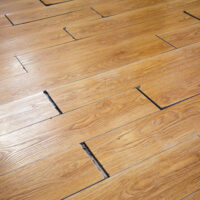
The first form is patent defects, which are obvious or easily detected after construction through normal inspection. This includes defects such as uneven flooring, absence of fixtures, or cracks in the walls.
The second form of defect is a latent defect, which may not be known for some time because it cannot be seen. It can include things like structural defects, water damage hidden behind walls, and faulty electrical work.
Latent defects often lead to disputes because they are not immediately visible.
Ohio’s statute of repose
There is a statute of repose in Ohio that sets a time limit for filing certain construction-related claims. While a statute of limitations begins upon discovery of an injury or defect, the statute of repose sets a deadline that begins upon the completion of the project.
Upon the passing of such a deadline, one would be precluded from filing legal action against certain individuals involved in the construction process, even if the defect was discovered recently. There are, however, exceptions to these rules.
Other factors that affect liability
Even after such a defect was identified, several factors could affect the contractor’s liability. These include:
- The wording of the building contract and warranties.
- If there was any involvement of the subcontractors, architects, or engineers in causing the problem.
- The amount of harm done by the defect.
- If the property owner had properly maintained the structure after construction.
Establishing liability may involve examining documents related to the construction process, as well as the causes of the defect itself.
Acting quickly is important
If you believe faulty construction has affected your property, it is imperative that you do not wait too long. This could be detrimental to your ability to preserve evidence and take necessary action.
Contractors who have been accused of performing faulty construction should not waste time either. They need to investigate their case to determine whether they have a defense.
Contact a Columbus, OH, Business Litigation Attorney Today
Construction defect cases tend to present complicated factual and legal problems. Issues concerning timelines, duties, expert witnesses, and liability distribution are among those that frequently arise in such disputes.
Should you find yourself in the position of an owner seeking to claim damages or a contractor being sued, you may need professional legal assistance to properly assess your rights and determine how to proceed. Kohl & Cook Law Firm, LLC, can help. Contact our Columbus business litigation lawyers today for help.
